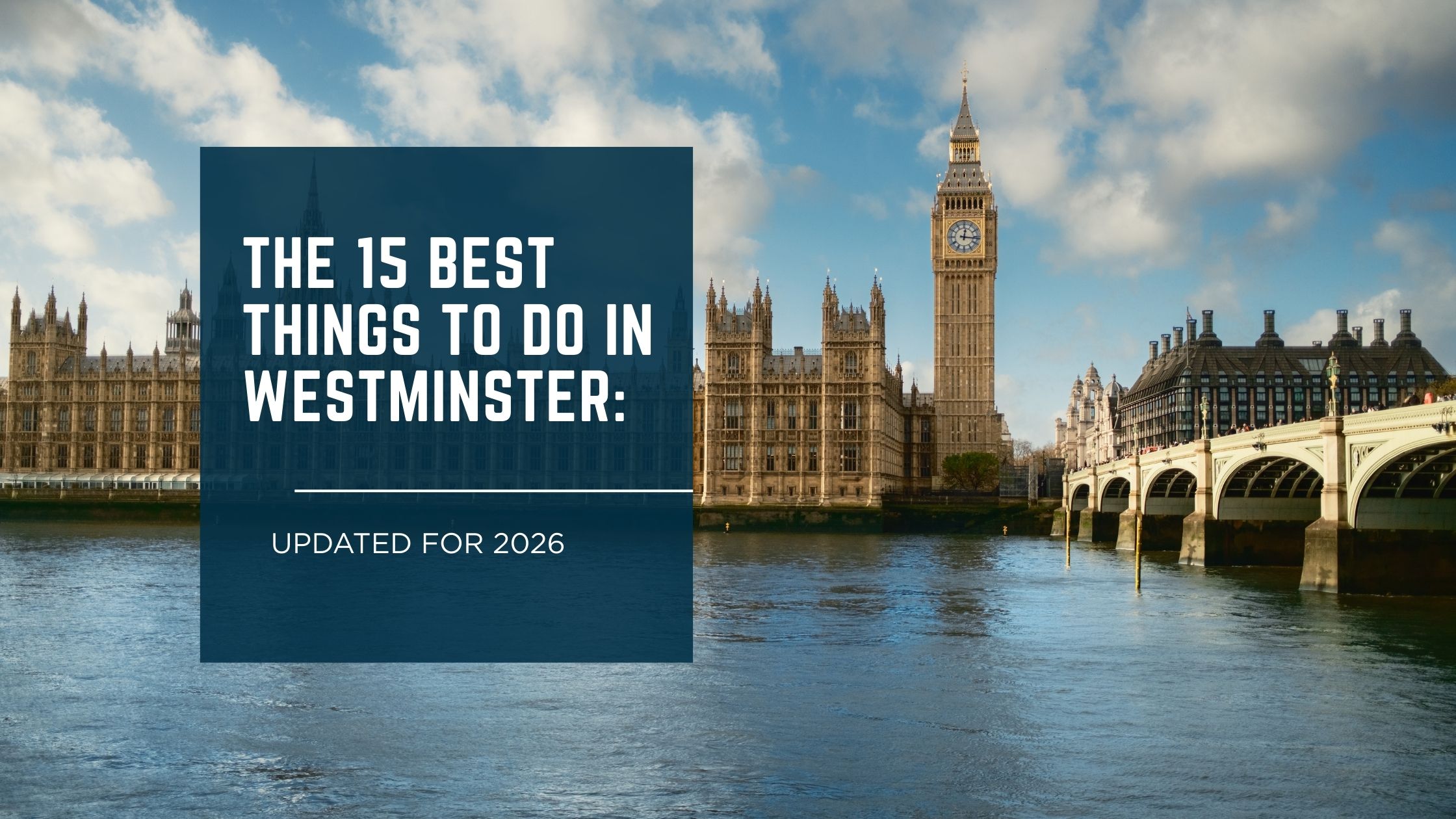
The best things to do in Westminster include visiting Westminster Abbey, viewing Big Ben and the Houses of Parliament, exploring the Churchill War Rooms, walking through St James’s Park, and seeing the Rubens ceiling at the Banqueting House. Most major attractions are within a 15-minute walk of each other, and several — including St James’s Park, Tate Britain, and the Victoria Embankment walk — are completely free.
Westminster is London’s political and cultural heart. Centuries of British history come alive through its iconic landmarks and hidden treasures.
This historic borough houses some of the nation’s most significant buildings. You’ll find the seat of government and ancient abbeys that have witnessed royal coronations for nearly a thousand years.
Whether you’re drawn to world-famous monuments like Big Ben and Westminster Abbey or seeking quieter experiences in art galleries and historic pubs, Westminster offers an extraordinary blend of attractions that showcase Britain’s rich heritage.
From underground wartime bunkers to peaceful royal parks, medieval towers to contemporary markets, you’ll find activities that span every era of London’s remarkable story. Everything remains easily accessible in one compact area of central London.
Planning Your Westminster Visit in 2026
Westminster’s top attractions are busier than ever in 2026. Pre-booking tickets for Westminster Abbey and the Churchill War Rooms is strongly recommended, as both regularly sell out during peak season. Here’s what to know before you go:
- Westminster Abbey: Adults from £30, children under 5 free. Book at westminster-abbey.org
- Churchill War Rooms: Adults from £28. Book at iwm.org.uk
- Jewel Tower: Adults from £6.10. Book at english-heritage.org.uk
- Banqueting House: Adults from £8. Book at hrp.org.uk
- Thames River Cruise: From £15. Book at thamesrivercruise.co.uk
- St James’s Park, Victoria Embankment, Horse Guards Parade, Tate Britain (permanent collection): Free
Big Ben’s full chimes were restored in November 2021 following the £80 million renovation completed in January 2022. Visitors can now hear the iconic bells ring every 15 minutes as they did in the Victorian era.
1) Visit Westminster Abbey for stunning gothic architecture and royal history
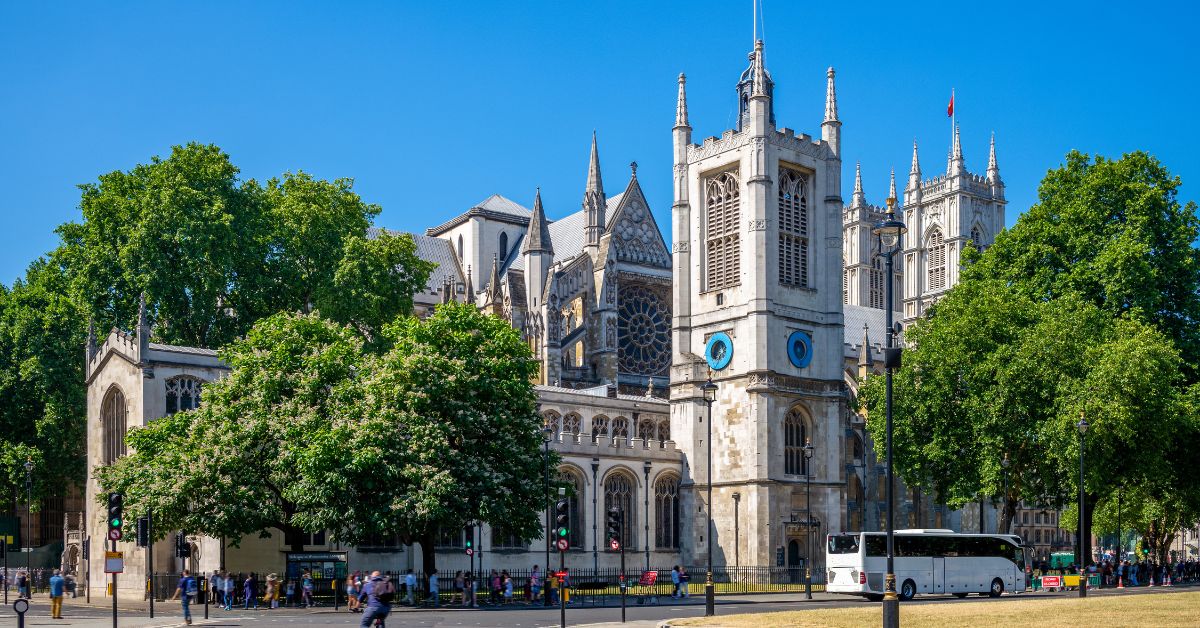
Westminster Abbey is one of London’s most important landmarks. This ancient church has welcomed visitors for over 1,000 years.
You’ll be amazed by the Gothic architecture from the moment you step inside. Soaring arches and detailed stonework showcase medieval design at its finest.
The Abbey has been the coronation church since 1066. Every British monarch has been crowned here for nearly a thousand years.
Over 3,000 notable Britons rest within these walls. You can visit the tombs of kings, queens, poets, and scientists who shaped British history. Most recently, Westminster Abbey hosted the Coronation of King Charles III on 6 May 2023 — the first coronation in 70 years and one of the most-watched events in the Abbey’s history.
The building’s history stretches back to 960 AD. The current Gothic structure was largely rebuilt from 1245 onwards.
Royal weddings and state ceremonies still take place here today. Westminster Abbey remains a living piece of British heritage.
An audio guide explains the Abbey’s rich history as you explore. The guide is available in multiple languages to enhance your visit.
You should dress respectfully as this is still an active place of worship. Admission is from £30 for adults; children under 5 enter free. Book tickets in advance at westminster-abbey.org to avoid long queues.
2) See the Houses of Parliament and watch the ceremonial Changing of the Guard
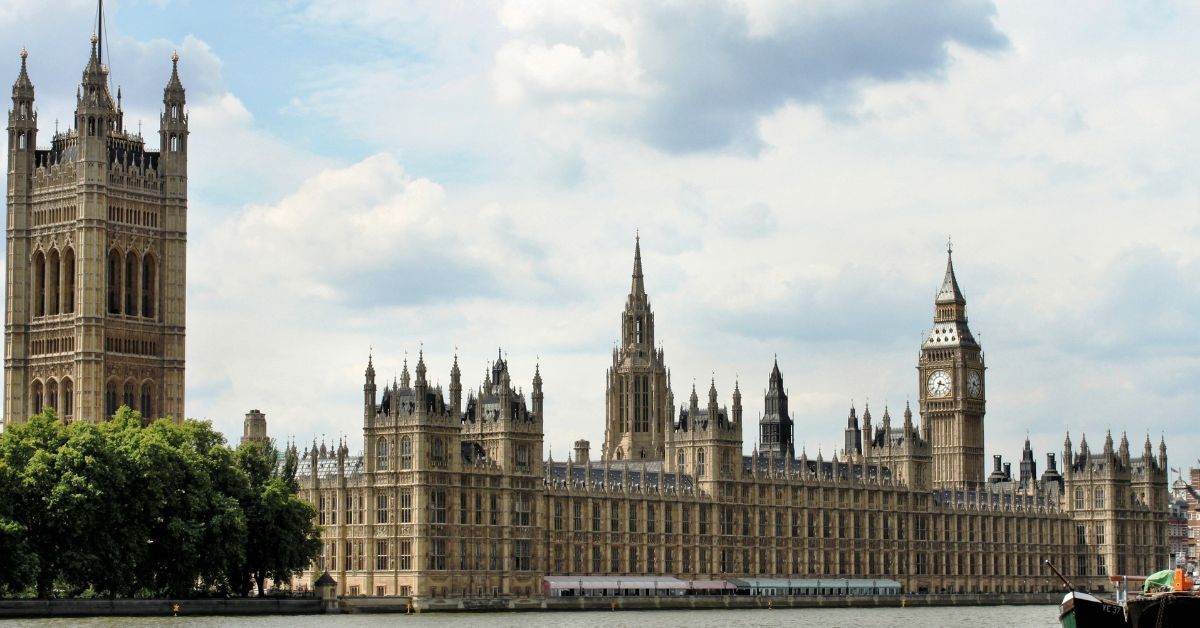
The Houses of Parliament are one of Westminster’s most iconic landmarks. You can admire the Gothic Revival architecture and the famous Big Ben clock tower from Parliament Square.
The building houses both the House of Commons and House of Lords. As you explore the exterior, you’ll notice intricate stonework and towering spires.
Combine your visit with watching the Changing of the Guard ceremony. This traditional military display happens at locations including Buckingham Palace and Horse Guards Parade.
The ceremony is free to watch. You don’t need tickets or reservations—simply arrive early to get a good viewing spot.
The guards perform their duties with precision and discipline. You’ll see soldiers in red tunics and bearskin hats during the ceremony.
The ceremony doesn’t happen every day, but guards are usually on ceremonial duty throughout Westminster. Check the schedule before your visit to see the full ceremony.
From Parliament Square, you can easily walk to other ceremony locations. The area connects Westminster Abbey, Downing Street, and the guard changing routes.
3) Admire Big Ben and take photos of this iconic London landmark
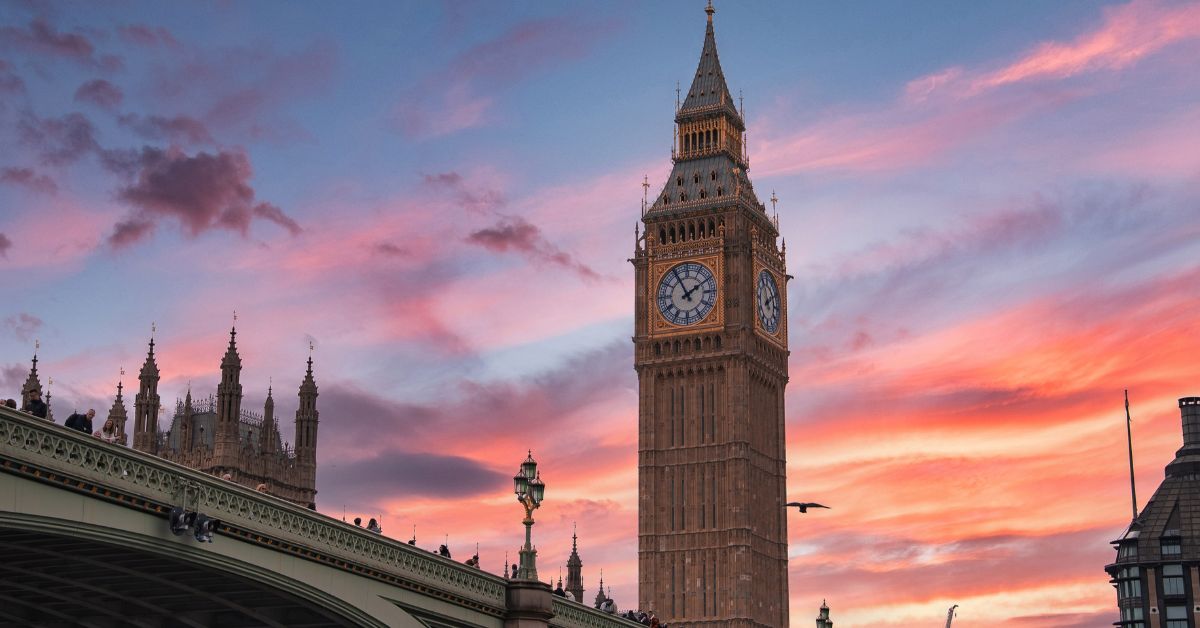
Big Ben stands at the north end of the Houses of Parliament. This famous clock tower is one of London’s most recognisable landmarks.
The tower’s real name is Elizabeth Tower. Big Ben is actually the nickname for the Great Bell inside the tower.
You can admire the Gothic spire and detailed architecture from street level. The tower symbolises British history and London itself.
For the best photos, visit Westminster Bridge or Parliament Square. These spots give you clear views without obstacles blocking your shot.
The clock face looks impressive during both day and night. Evening lighting makes the tower glow against the dark sky.
You cannot climb inside Big Ben without booking a special tour in advance. These tours are limited and fill up quickly.
From the outside, you can watch the famous clock keep accurate time. Listen for the chimes that ring out over Westminster every 15 minutes.
The £80 million restoration, completed in January 2022, returned Big Ben to its original Victorian appearance with repainted dials, refreshed stonework, and a striking new colour scheme. The famous bells resumed full chiming in November 2021.
4) Explore the Churchill War Rooms to delve into WWII history
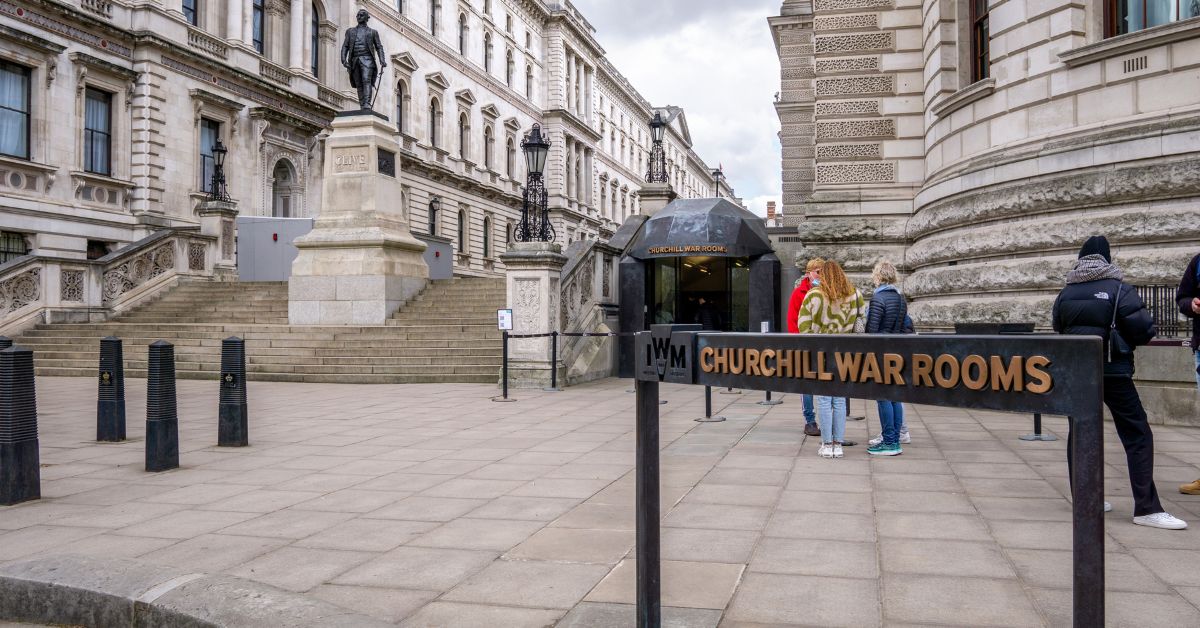
The Churchill War Rooms sit beneath Westminster’s busy streets. This secret bunker served as Britain’s wartime nerve centre during World War II.
You can walk through the actual rooms where Winston Churchill and his government made crucial decisions. The underground complex protected Britain’s leaders during the London Blitz.
The museum preserves the wartime atmosphere perfectly. You’ll see original maps, telephones, and furniture as they were left in 1945.
Churchill’s personal bedroom and office remain untouched. The famous Map Room still displays coloured pins tracking military operations across the globe.
Interactive displays tell the story of Britain’s wartime struggles. You’ll learn about code-breaking, rationing, and life in wartime London.
The museum includes a dedicated Churchill Museum. It explores his entire life from his early years to his final days as Prime Minister.
Audio guides provide fascinating details about each room’s purpose. Former staff members recorded many of the stories you’ll hear during your visit.
Allow at least two hours to explore properly. Book tickets in advance as this popular attraction often sells out, especially during summer months.
5) Walk through St James’s Park and enjoy the scenic views and wildlife
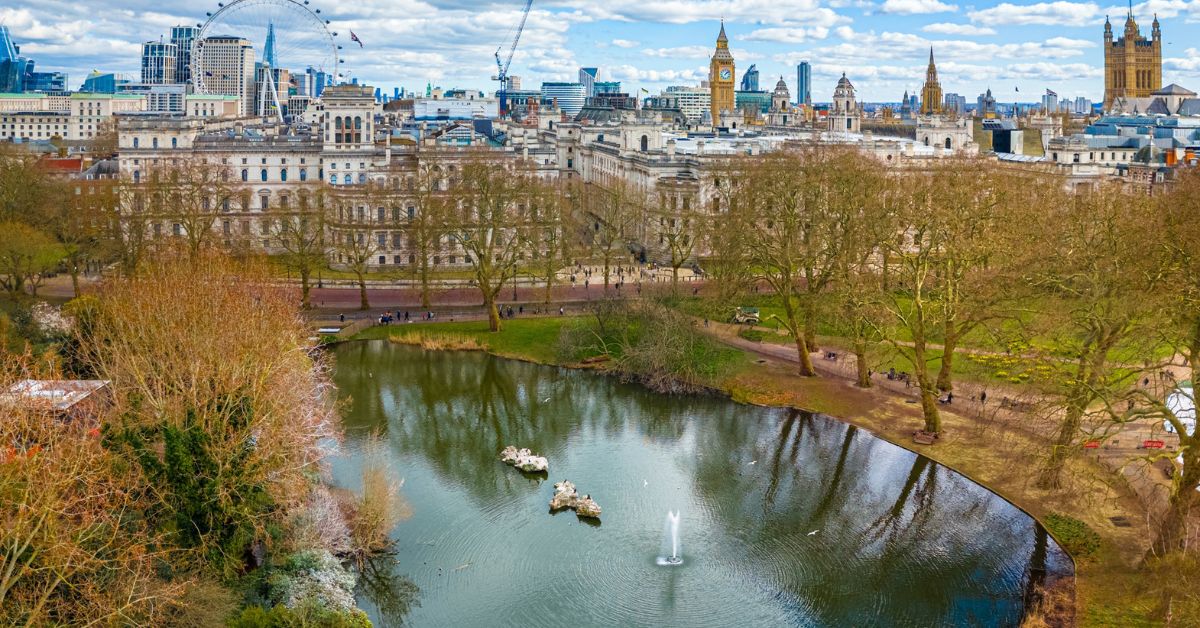
St James’s Park offers one of London’s most peaceful walking experiences. You can stroll through 57 acres of beautiful landscapes right in the heart of Westminster.
The park opens daily from 5:00am to midnight. Well-maintained paths wind around a stunning central lake.
Wildlife watching is a highlight of any visit. The park is home to famous pelicans that have lived here for centuries.
You can also spot ducks, geese, and friendly squirrels throughout your walk. The lake provides excellent photo opportunities.
From certain viewpoints, you’ll see Buckingham Palace framed perfectly across the water. Duck Island sits in the middle of the lake and attracts many bird species.
The surrounding paths offer different views as you walk around the water. For a longer walk, you can join the seven-mile Diana Memorial Walk.
This route connects St James’s Park with three other Royal Parks. The park’s central location makes it perfect for a break between visiting other Westminster attractions.
You can easily walk here from Westminster Abbey, Big Ben, or Buckingham Palace.
6) Discover Westminster Cathedral, a masterpiece of neo-Byzantine design
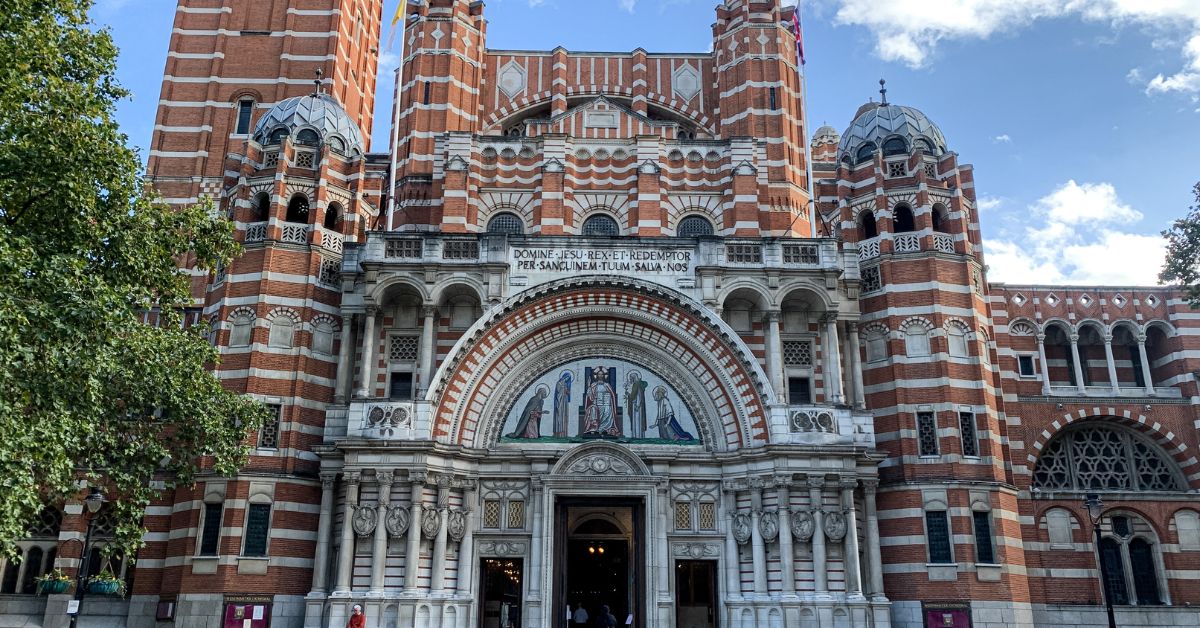
Westminster Cathedral is London’s most striking example of neo-Byzantine architecture. You’ll find this magnificent building on Victoria Street, serving as the mother church of Roman Catholics in England and Wales.
Architect John Francis Bentley designed this architectural marvel between 1895 and 1903. The building showcases distinctive striped brick and stone construction that creates a dramatic visual impact.
You can admire the cathedral’s massive Byzantine domes and spacious interior design. The building covers 5,017 square metres and ranks as the 50th largest church worldwide by interior area.
The cathedral can seat up to 2,000 people in its vast interior space. The building maximises its site by sitting close to the street on Ambrosden Avenue.
Don’t confuse this Victorian neo-Byzantine cathedral with nearby Westminster Abbey. The cathedral represents a completely different architectural style and religious tradition from the medieval Gothic abbey.
You can explore the building’s rich interior decorations and peaceful chapels. The cathedral combines faith, artistry, and cultural significance in one remarkable London landmark.
7) Tour the Jewel Tower, a medieval building with fascinating exhibits
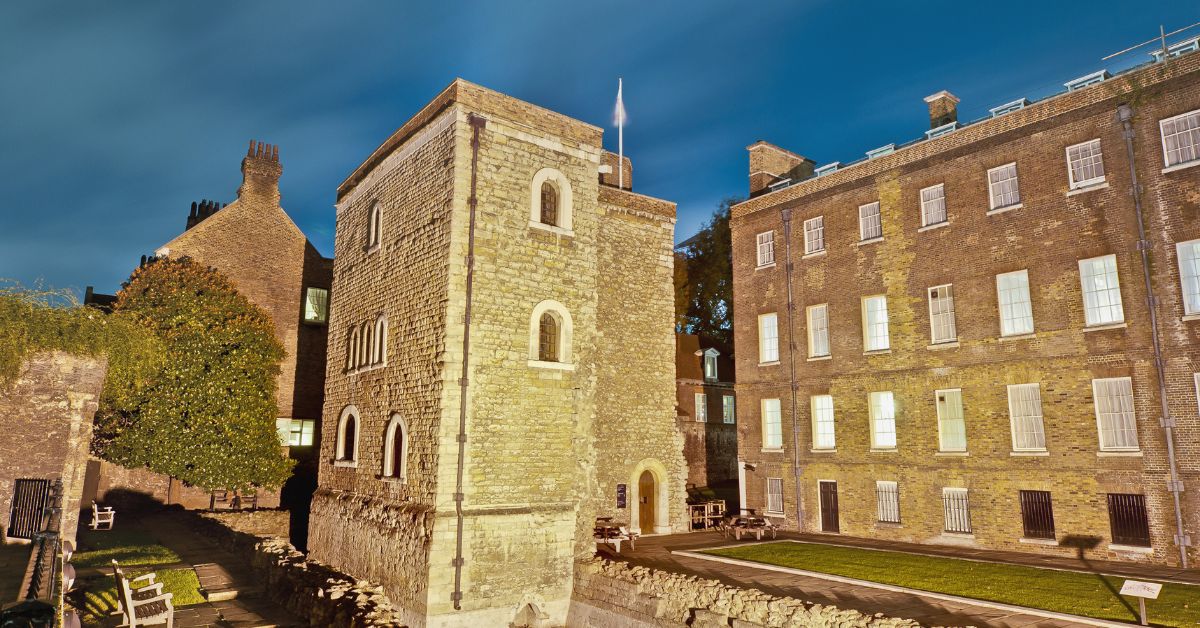
The Jewel Tower is one of only two surviving buildings from the original medieval Palace of Westminster. Built in 1365-66, this stone tower once stored King Edward III’s treasures and silver plate.
You’ll find this compact English Heritage site tucked between the Houses of Parliament and Westminster Abbey. The tower was originally called the King’s Privy Wardrobe.
Inside, you can explore three floors of displays that tell the building’s unique story. The exhibits show how it served different purposes over the centuries — from royal storage to a House of Lords record archive.
The medieval structure features ornate ceiling carvings from the 14th century. You’ll also see a model of the original Palace of Westminster and replicas of objects once kept in the tower.
The tower later housed the National Weights and Measures Office. This small building played an important role in setting standards for measurement across Britain.
You can book tickets online in advance for a discount. The tower survived the devastating 1834 fire that destroyed most of the medieval palace, making it a rare glimpse into Westminster’s ancient past.
8) Visit the Tate Britain art gallery for classic British artwork
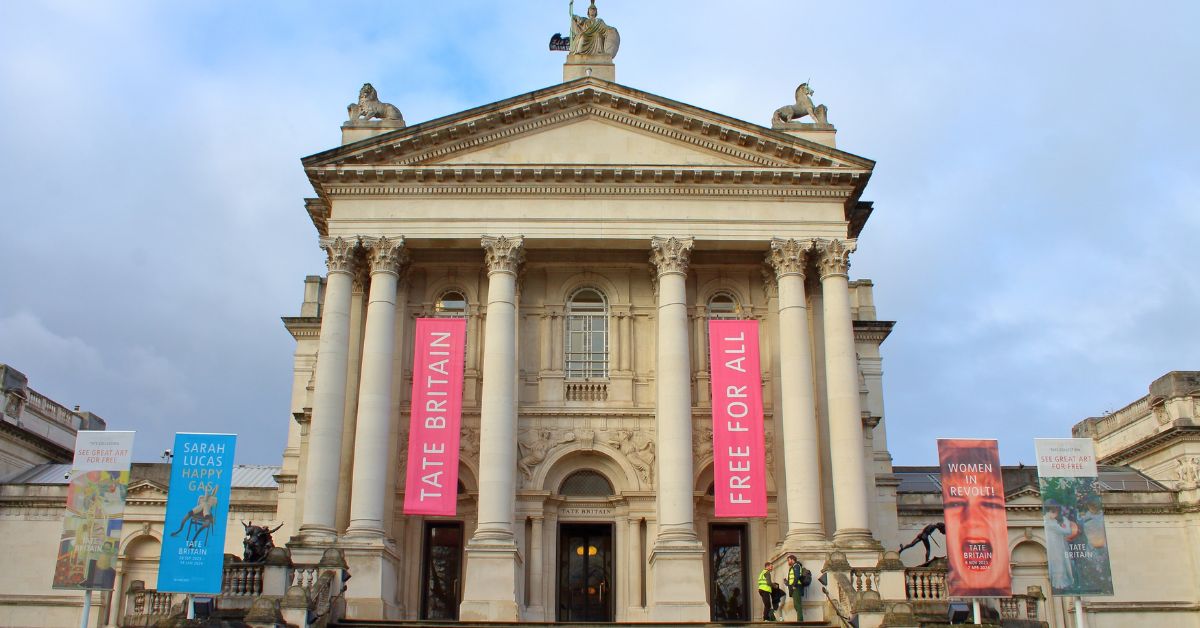
Tate Britain sits on Millbank along the Thames and houses the world’s largest collection of British art. You can explore over 500 years of artistic history from the 1500s to today.
The gallery is free to visit. You’ll find works by famous British artists like J.M.W. Turner, William Blake, and John Constable displayed throughout its elegant neoclassical building.
The museum holds the world’s biggest collection of Turner’s paintings. You can also see Pre-Raphaelite masterpieces and contemporary works by artists like David Hockney and Bridget Riley.
The location feels peaceful compared to other London attractions. It’s about a 15-minute walk from Westminster Abbey and Big Ben, making it slightly out of the way but still accessible.
New collection displays showcase the development of British art across the centuries. You’ll discover both beloved classics and modern pieces that tell Britain’s artistic story.
The gallery offers a quieter museum experience whilst still providing world-class art. It’s an excellent addition to your Westminster visit if you enjoy classic British paintings and want to understand Britain’s artistic heritage.
9) Have a pint at The Red Lion, Westminster’s most iconic pub
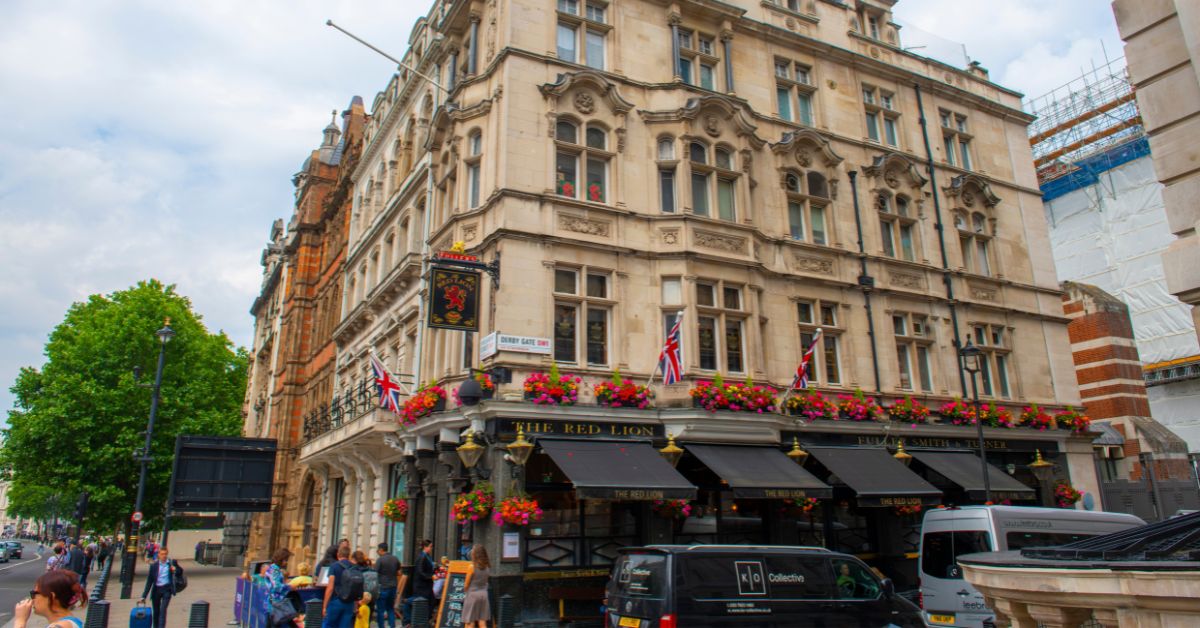
The Red Lion on Parliament Street is one of Westminster’s most celebrated pubs. Steps from the Houses of Parliament, it has served MPs, journalists, and visitors for over 200 years.
The pub features a traditional Victorian interior with ornate mirrors, carved wood, and the kind of atmosphere that feels authentically London. It’s a world away from the tourist traps on nearby streets.
A small division bell above the bar rings when a vote is called in Parliament — a reminder of just how close you are to the seat of British government. The bell once gave MPs a few minutes to hurry back to vote.
You’ll find a solid selection of real ales and classic pub food. The upstairs dining room offers views over Whitehall and a quieter spot for lunch away from the lively ground floor.
The Red Lion is particularly atmospheric on weekday lunchtimes when the parliamentary crowd fills the bar. It’s a genuine local institution and a hidden gem compared to the more touristic pubs nearby.
Opening hours vary, so check in advance. The pub is a short walk from Westminster Underground Station and sits between Downing Street and Parliament Square.
10) Explore the Banqueting House to see exquisite ceiling paintings by Rubens
The Banqueting House in Whitehall houses the only surviving ceiling painting by Sir Peter Paul Rubens that remains in its original location. King Charles I commissioned this masterpiece to honour his father, James I.
The ceiling consists of nine individual oil paintings that together form one massive artwork. The paintings are enormous, covering an area the size of a tennis court.
The three main sections depict the union of Scotland and England under King James I. Rubens’ theatrical style made him the perfect artist for this grand royal commission.
You can view these baroque masterpieces by looking up at the ornate ceiling from the hall below. The paintings showcase vibrant colours and dramatic scenes celebrating the Stuart monarchy.
The Banqueting House itself is the last remaining part of the old Palace of Whitehall. It has historical significance beyond the artwork, as it was the site where Charles I was executed in 1649.
Guided tours help you understand the paintings’ meaning and historical context. The building offers a unique chance to see world-class art in its intended setting.
11) Take a river cruise along the Thames to see Westminster from the water
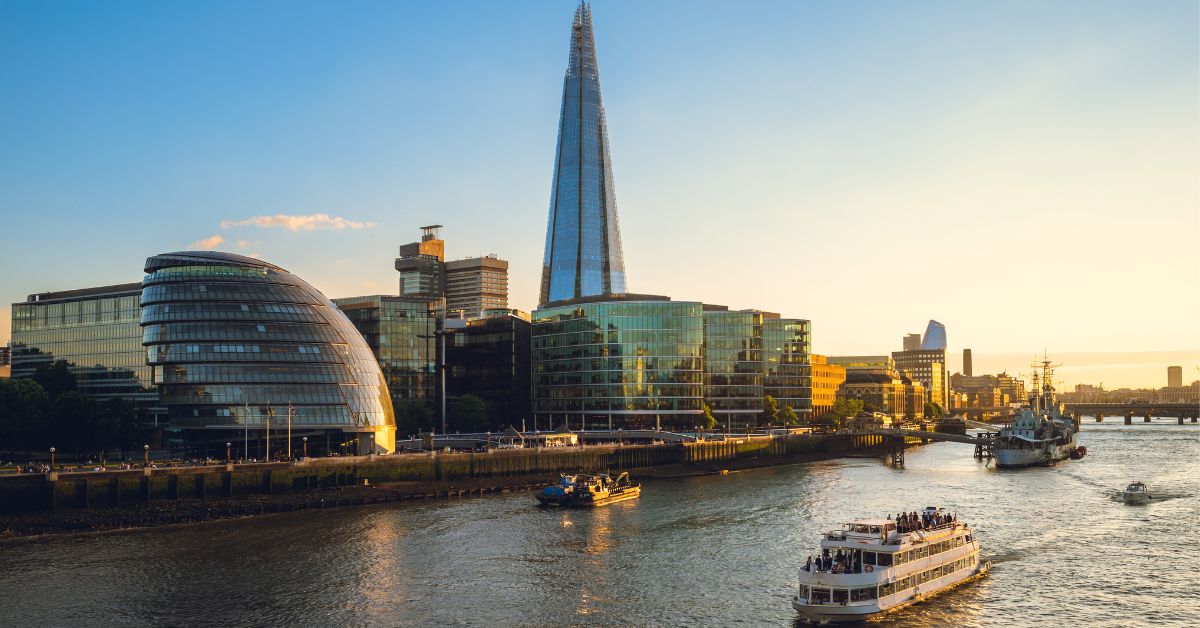
A Thames river cruise gives you a unique way to see Westminster’s landmarks from the water. You can board boats at Westminster Pier, which sits in the heart of London’s historic district.
Most cruises travel from Westminster to Tower Bridge and take 30 minutes to an hour. You’ll see Big Ben, the Houses of Parliament, and the London Eye from a different angle.
The boats offer modern facilities and live commentary. This helps you learn about the landmarks as you pass them.
Westminster Pier is ideal for sightseeing cruises. You can reach it easily by tube or bus, and it’s walking distance from major attractions.
The river gives you clear views of Westminster’s skyline without crowds in your photos. On sunny days, you can see the buildings reflected in the water.
Some companies offer dinner cruises and speedboat rides. The basic sightseeing cruise is perfect for enjoying Westminster’s architecture from the Thames.
12) Browse the Westminster Market for unique crafts and food stalls
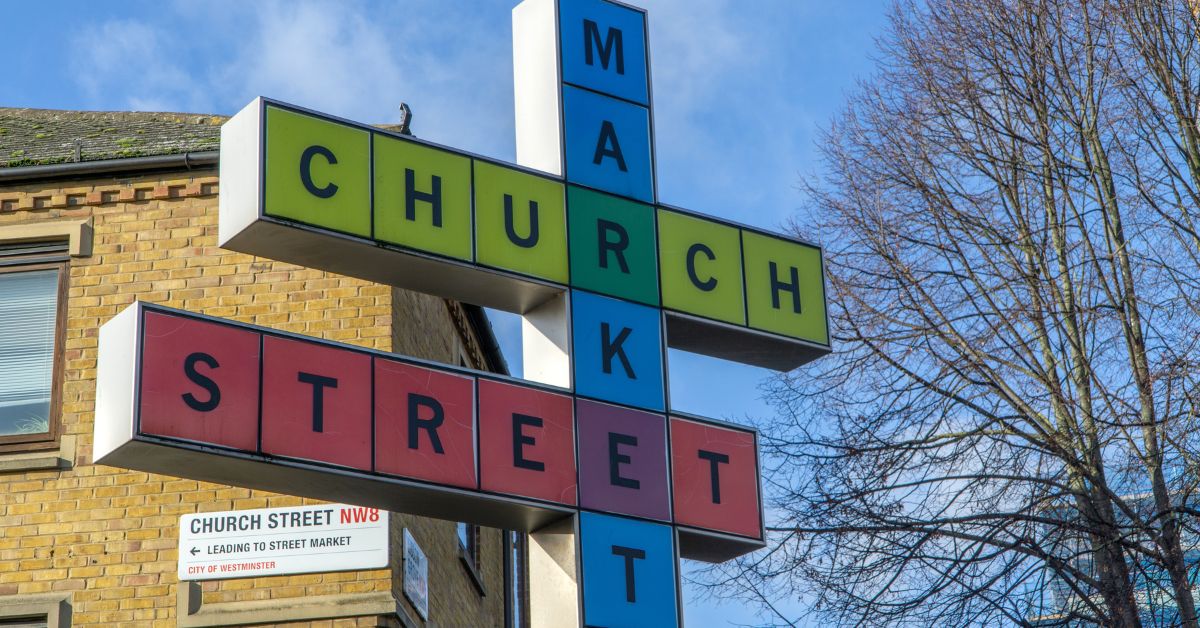
Westminster has vibrant markets where you can discover handmade crafts and local food. Local vendors sell everything from fresh produce to unique artwork.
Church Street Market stands out in the heart of Westminster. You’ll find antique stalls, fresh food vendors, and everyday bargains.
The market stretches from Lisson Grove to Edgware Road. Rupert Street Market operates on different themed days throughout the week.
Mondays and Tuesdays feature general market goods with food and non-food items. Wednesdays focus on artisan food, drinks, and gifts.
On Thursdays, you can try world street food from various trucks and stalls. Fridays offer vintage fashion, and Saturdays showcase arts, crafts, and jewellery.
These markets give you an authentic London experience away from crowded shopping centres. You’ll meet local producers and craftspeople who create their goods by hand.
The atmosphere buzzes with activity as vendors call out their specials. Fresh ingredients, homemade treats, and unique crafts fill the stalls with colour and character.
13) Visit the Household Cavalry Museum on Whitehall
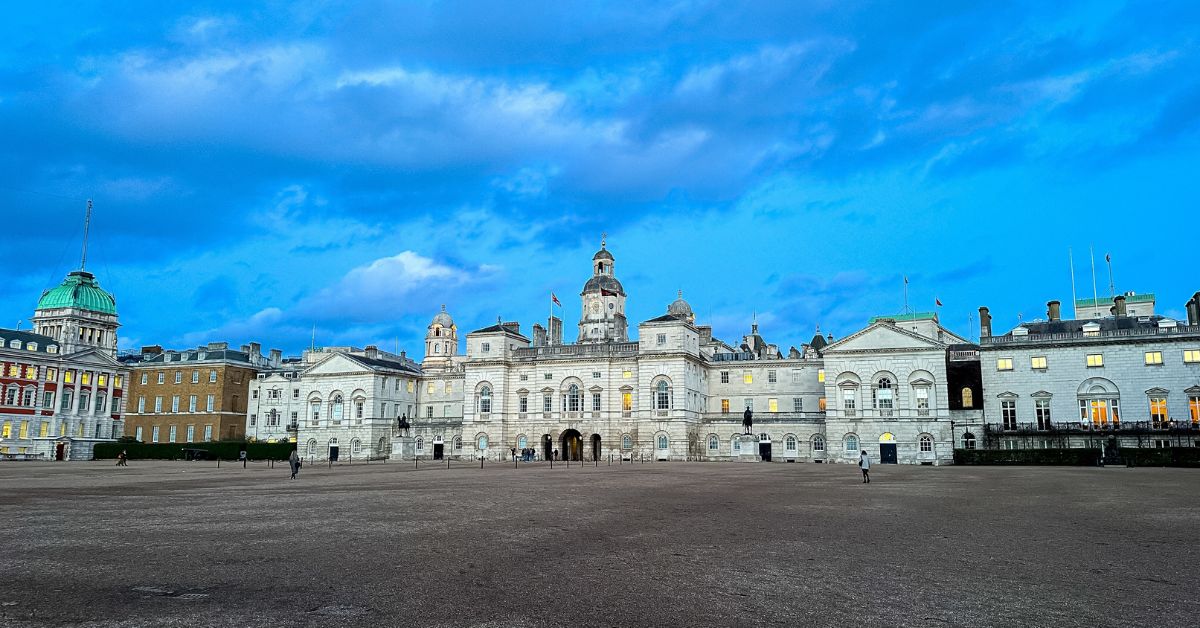
The Household Cavalry Museum on Whitehall is one of Westminster’s most underrated attractions. Tucked inside the original 18th-century stables of Horse Guards, it tells the story of the oldest and most senior regiments in the British Army.
The museum’s highlight is a glass wall looking directly into the working stables. You can watch the horses being groomed and prepared for their ceremonial duties — a surprisingly rare and intimate experience in the heart of London.
Exhibits cover 350 years of military history, from the English Civil War to modern operations in Iraq and Afghanistan. Armour, uniforms, weapons, and medals bring each era vividly to life.
Children can try on replica helmets and breastplates, making this one of the more hands-on museum experiences in Westminster. Adults £8, children £6, and family tickets are available.
The museum sits adjacent to Horse Guards Parade, so you can combine your visit with watching the mounted sentries at the arch. It’s a short walk from Trafalgar Square and Downing Street.
Opening hours are 10am–6pm in summer and 10am–5pm in winter. The museum is closed on Mondays from October to March, so check before visiting.
14) Walk along the Victoria Embankment for free riverside views
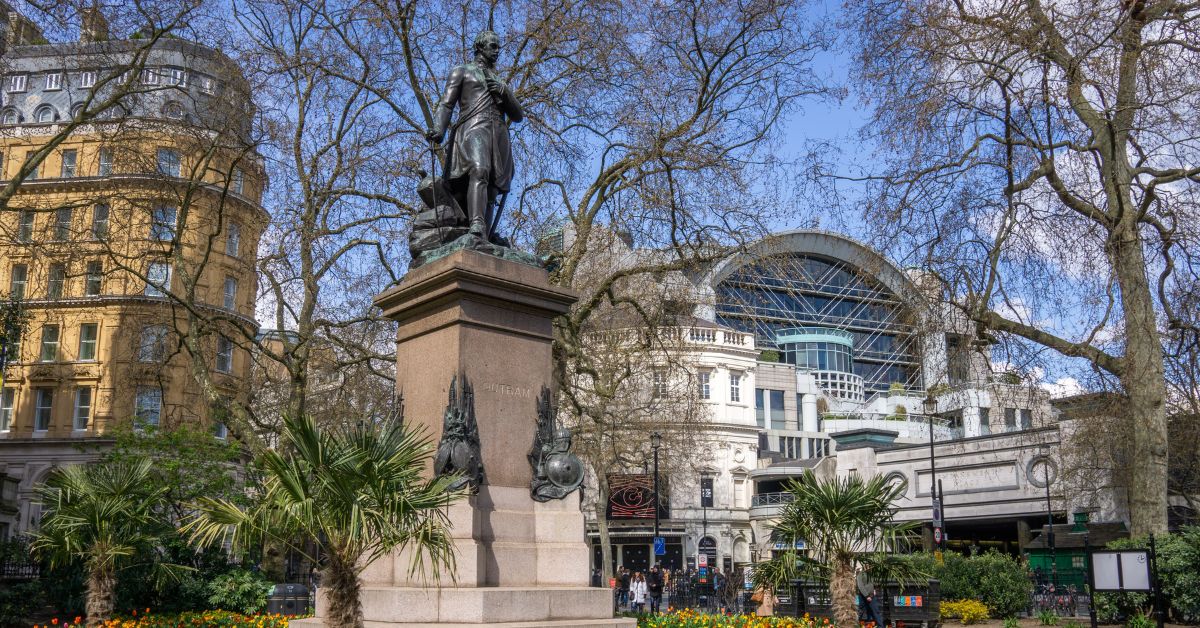
The Victoria Embankment is one of London’s finest free walks. Stretching along the north bank of the Thames from Westminster Bridge to Blackfriars, it offers uninterrupted riverside views and a peaceful escape from the busy streets behind.
Start at Westminster Bridge for iconic views of Big Ben and the Houses of Parliament reflected in the Thames. The walk takes you past the striking Boudicca statue, ancient Cleopatra’s Needle, and beautifully maintained Embankment Gardens.
The gardens along the route are free to enter and filled with fountains, sculptures, and benches — a perfect lunch stop. Across the river, you’ll see the South Bank arts district and the London Eye.
At dusk, the Embankment becomes one of London’s most atmospheric spots. The golden light on the water and the silhouette of Westminster’s skyline make for some of the best photographs in the city.
The walk connects Westminster to Covent Garden and the City of London, making it a practical route between major attractions. It’s entirely flat and accessible, taking around 20 minutes to walk end to end at a relaxed pace.
15) Explore Horse Guards Parade and watch the mounted sentries
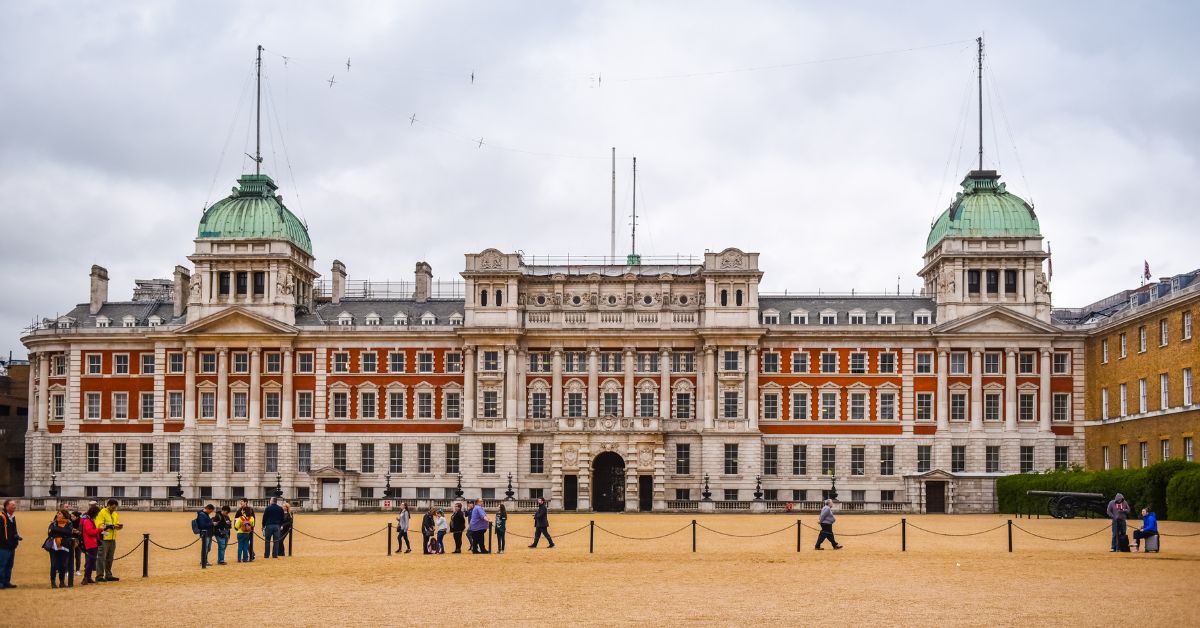
Horse Guards Parade is one of Westminster’s most photogenic and completely free attractions. The large open courtyard behind the famous arch on Whitehall serves as London’s ceremonial parade ground.
You’ll find two mounted sentries stationed in the archway at all times during the day. These Household Cavalry soldiers in gleaming armour and plumed helmets are among the most recognisable sights in London — and unlike Buckingham Palace, you can get within a few feet of them.
The parade ground hosts the annual Trooping the Colour ceremony every June, when thousands gather to celebrate the King’s official birthday. Even outside the ceremony season, the space is open to the public and worth visiting.
Walking through the arch gives you a direct link between Whitehall and St James’s Park. The view from the park side, looking back through the arch toward the Whitehall buildings, is one of Westminster’s classic photo spots.
Combine this with a visit to the Household Cavalry Museum, located directly beside the parade ground. Together they make an excellent morning out that costs little to nothing.
The mounted guard changes daily at 11am (10am on Sundays). Arriving five minutes early gives you a front-row view of the horses being led out for the ceremony.
Free Things to Do in Westminster
Westminster is home to some of the world’s most famous attractions, and many of them cost nothing at all. Here’s what you can enjoy for free:
- St James’s Park — 57 acres of royal parkland with pelicans, a lake, and views of Buckingham Palace
- Victoria Embankment walk — riverside views, gardens, and sculptures along the Thames
- Horse Guards Parade — watch the mounted sentries and explore the ceremonial parade ground
- Parliament Square — statues of Churchill, Gandhi, Lincoln, and Mandela
- Westminster Bridge — iconic views of Big Ben and the Houses of Parliament
- Tate Britain — the permanent collection is free, with world-class British art from 1500 to today
- Changing of the Guard viewing — the ceremony itself is free to watch from the street
- Exterior of Buckingham Palace and the Victoria Memorial
- Downing Street — you can walk along the railings and see the famous black door from a distance
Even if you’re on a tight budget, a full day in Westminster exploring these free options will be one of the most memorable days you spend in London.
Understanding Westminster’s Historical and Cultural Significance
Westminster is the political heart of Britain and home to Parliament and government offices for over 1,000 years. The area displays centuries of royal history through palaces, coronation sites, and architectural treasures.
The Role of Westminster in British Political Life
Westminster has served as Britain’s seat of power since the 11th century. The Palace of Westminster houses both the House of Commons and House of Lords, where leaders make all major political decisions.
10 Downing Street is the Prime Minister’s official residence and office. You can walk past this famous black door, though security prevents close access.
The Houses of Parliament hold daily sessions when Parliament is sitting. You can watch debates from the public galleries or take guided tours during recess periods.
Westminster Hall is the oldest part of the parliamentary complex. It hosted the trials of King Charles I and Guy Fawkes, making it central to British legal history.
The area around Parliament Square features statues of key political figures:
- Winston Churchill
- Mahatma Gandhi
- Abraham Lincoln
- Nelson Mandela
These monuments show Westminster’s role in shaping British and world politics.
Architectural Heritage and Iconic Landmarks
Westminster displays architectural styles from nearly 1,000 years. The Gothic Revival Palace of Westminster, rebuilt after the 1834 fire, stands as a Victorian masterpiece.
Big Ben (Elizabeth Tower) stands 316 feet tall. The famous bell weighs 13.76 tonnes and has chimed across London since 1859.
Westminster Abbey features Norman, Gothic, and medieval elements. Builders took over 300 years to complete it, with each era adding unique features.
Buckingham Palace represents Georgian and Victorian architecture. The palace has 775 rooms and serves as both royal residence and working headquarters.
St James’s Park and Westminster Bridge offer excellent viewpoints for photos. The bridge provides classic shots of Big Ben and Parliament.
These buildings use Portland stone, giving Westminster its cream-coloured look that weathers beautifully over time.
Westminster’s Place in British Royal History
Westminster Abbey has hosted 39 coronations since 1066, including Queen Elizabeth II’s in 1953. Every British monarch except Edward V and Edward VIII has been crowned here.
The abbey also serves as the royal burial place. 17 monarchs rest here, including Elizabeth I, Mary Queen of Scots, and Henry VII.
Buckingham Palace became the official royal residence in 1837 under Queen Victoria. The palace hosts state banquets, investitures, and garden parties for 30,000 guests each year.
St James’s Palace served as the main royal residence for over 300 years. Foreign ambassadors are still accredited to the Court of St James’s today.
The Queen’s Gallery displays rotating exhibitions from the Royal Collection. You can view paintings, jewellery, and decorative arts collected by monarchs over 500 years.
Royal Mews houses the royal carriages, including the Gold State Coach used for coronations. The stables maintain horses that participate in state ceremonies throughout the year.
Planning Your Visit to Westminster
Westminster stays busy year-round, but spring and autumn offer the best weather and fewer crowds. The area connects easily by Tube, bus, and on foot, with most attractions close together.
Best Times of Year to Explore
Spring (March-May) brings mild weather and blooming flowers in St James’s Park. You’ll find shorter queues at attractions and comfortable walking conditions.
Summer (June-August) has the most tourists and highest prices. Book attractions in advance and expect crowds at Big Ben and Westminster Abbey.
The long daylight hours give you more time for sightseeing. Autumn (September-November) offers crisp weather and beautiful colours in the parks.
Tourist numbers drop after September, making this a great time to visit popular spots. Winter (December-February) brings festive decorations and fewer crowds.
Some outdoor attractions have shorter hours in winter, but you’ll find better hotel deals and more restaurant availability.
Getting Around Westminster
Westminster Underground Station connects to the Jubilee, Circle, and District lines. It sits directly beneath Big Ben and puts you at the heart of the area.
Walking works best for most attractions. Westminster Abbey to Buckingham Palace takes just 10 minutes on foot.
The area is flat and pedestrian-friendly. Bus routes 11, 24, and 148 run frequently through Westminster and connect to other parts of London.
These buses offer scenic views from the top deck. Thames Clippers river buses stop at Westminster Pier and connect to Tower Bridge or Greenwich.
Accessibility and Useful Visitor Resources
Westminster Abbey provides step-free access through the north entrance. Audio guides include hearing loops, and you can borrow wheelchairs.
Houses of Parliament offer full accessibility for tours. Book disabled access tours in advance on their official website.
Public toilets with disabled access operate at Westminster Underground Station and Parliament Square. Most major attractions have accessible facilities.
Free WiFi is available throughout Westminster Station and many public spaces. Download attraction apps before visiting to skip paper maps.
Tourist Information Points at Westminster Station provide maps and attraction discounts. Staff speak several languages and offer accessibility advice.
Conclusion
Westminster gives you access to London’s most important historic sites and attractions. You can visit Big Ben, Westminster Abbey, and Buckingham Palace all in one area.
The neighbourhood combines British government buildings with world-class museums and galleries. Planning to move to this prestigious area of London?
If you’re looking for accommodation in one of London’s most iconic locations, contact JF Property Partners for expert guidance. Our team specializes in flats to rent in Westminster Borough and can help you find the perfect accommodation near these famous landmarks.
Get in touch with us at info@jfpropertypartners.com, call +44 7457 427143, or visit our website to view our available flats and secure your Westminster accommodation today.
Frequently Asked Questions
Westminster attracts millions of visitors each year who want to see Big Ben, Westminster Abbey, and the Houses of Parliament. Many travellers also enjoy spending time in St James’s Park and visiting the Churchill War Rooms.
What are the top attractions to visit in Westminster?
Westminster Abbey is the most important religious building in the area. You can see centuries of royal history and stunning Gothic architecture.
The Houses of Parliament offer guided tours where you learn about British government. Big Ben stands as London’s most famous landmark.
The Churchill War Rooms let you explore the underground bunkers used during World War II. St James’s Park provides a peaceful escape with lakes, wildlife, and great views of Buckingham Palace.
How to spend a day in Westminster?
Start your morning at Westminster Abbey before the crowds arrive. Spend 90 minutes exploring the royal tombs and Poets’ Corner.
Walk to the Houses of Parliament for photos with Big Ben. If Parliament is sitting, you can watch debates from the public galleries.
Head to St James’s Park for lunch and see the pelicans at Duck Lake. The Churchill War Rooms make an excellent afternoon activity that takes about 2 hours.
End your day watching the Changing of the Guard ceremony if it’s scheduled. Check the times before your visit as the ceremony doesn’t happen daily.
What is Westminster famous for?
Westminster serves as the centre of British government and royal ceremonies. The Houses of Parliament and Big Ben define London’s skyline.
Westminster Abbey has hosted every coronation since 1066. Many famous writers, scientists, and royals are buried here.
The area contains Downing Street where the Prime Minister lives. Buckingham Palace sits nearby as the King’s official London residence.
Is Westminster worth visiting?
Westminster offers more history and famous landmarks than almost anywhere else in London. You can see centuries of British heritage in a compact area.
The attractions suit all ages and interests. History fans love Westminster Abbey and the Churchill War Rooms.
Photography enthusiasts get iconic shots of Big Ben and the Houses of Parliament. The area connects easily to other parts of London by tube and bus.
How can visitors make the most of a short stay in Westminster?
Book timed entry tickets for Westminster Abbey and the Churchill War Rooms in advance. This saves queuing time during busy periods.
Visit early morning or late afternoon for the best photos of Big Ben. The lighting improves and fewer tourists block your shots.
Download the free Parliament app for self-guided walking tours. Pack comfortable shoes as you’ll walk on cobblestones and uneven surfaces.
Check the Parliamentary calendar online to see if debates are happening during your visit.
What to visit around Westminster?
Trafalgar Square sits just north of Westminster. You can see Nelson’s Column and the National Gallery there. The walk takes about 10 minutes.
Covent Garden offers shopping and street performers. You will also find many restaurants within walking distance.
The London Eye stands across the Thames. It provides panoramic city views.
Tate Britain displays British art from 1500 to today. You can find it along the river.
The Banqueting House marks the site where King Charles I was executed in 1649.
Green Park connects to St James’s Park. It leads towards Piccadilly Circus.
You May Also Like